The Org Chart Is Not the Team
A team does not become a team because the org chart says so. It becomes a team when the members do the work of becoming one.
That work is not just about tasks, updates, strategy, or execution. All of that matters, of course. But the deeper work is talking honestly about how the team actually works together. How decisions get made. Where conflict gets avoided. What happens when the heat goes up.
In Hospitals, Labs, and Bio/Pharma, Teamwork Is Not Soft
In clinical, scientific, and high-complexity technical environments, this is not a soft issue. Teamwork can affect the highest stakes possible. The quality of collaboration can influence patient safety, scientific integrity, regulatory outcomes, product quality, speed to insight, and the ability to catch small problems before they become serious failures.
In these environments, errors are rarely just individual mistakes. They usually emerge from the system around the work: unclear ownership, weak handoffs, unspoken concerns, rushed decisions, deferred conflict, status dynamics, or people hesitating to challenge an assumption (which can feel like challenging a person) when the heat is high.
Clinical Teaming Happens in the Work Itself
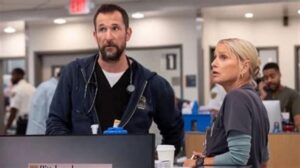
Even in busy clinical environments, teams already have moments where they can work on their teaming while doing the work itself. Rounding, huddles, handoffs, debriefs, and quick pauses after a difficult case are not just operational routines. Used well, they are opportunities for the team to notice how it is working, what is being missed, who needs to speak, what needs to be clarified, and how to improve the next interaction.
In High-Stakes Work, Relationships Become the Operating System
Most teams spend almost all their time on the work in front of them. But under pressure, the quality of the team’s working relationships becomes the operating system. If trust is low, everything takes longer. If decisions are unclear, work gets recycled. If people avoid the hard conversation, the heat comes out sideways.
Teamwork is not a side topic. It is not a retreat exercise. It is not something to “get to” after the real work is done. It is the real work, because it determines how well the team can do everything else.
The Questions That Build Better Clinical and Technical Teams
The best teams I work with do not wait until things break down. They build the habit of stepping back together and asking: What are we learning about how we work? What do we need to change on the floor, not just in the policy? What conversation are we avoiding that would make everything else easier?
Working on Teamwork, as a Team
A team becomes a team by doing this work together. Not by sending individuals off to improve in isolation. Not by hoping chemistry will magically appear. Not by assuming smart, committed people will automatically become aligned.
They become a team by working on teamwork, as a team.
That is where trust gets built. That is where speed improves. That is where resilience grows. And that is where the group becomes capable of doing work none of them could do alone.
Try This:
Even if you have just a few minutes, try this at your next huddle. Go round-robin and ask each person two questions:
- What is one thing you love, appreciate, or feel proud of about this team?
- What is one thing we could become even better at?
You may be amazed by what you hear, and by what becomes possible when the team takes even a few minutes to work on teamwork, as a team.