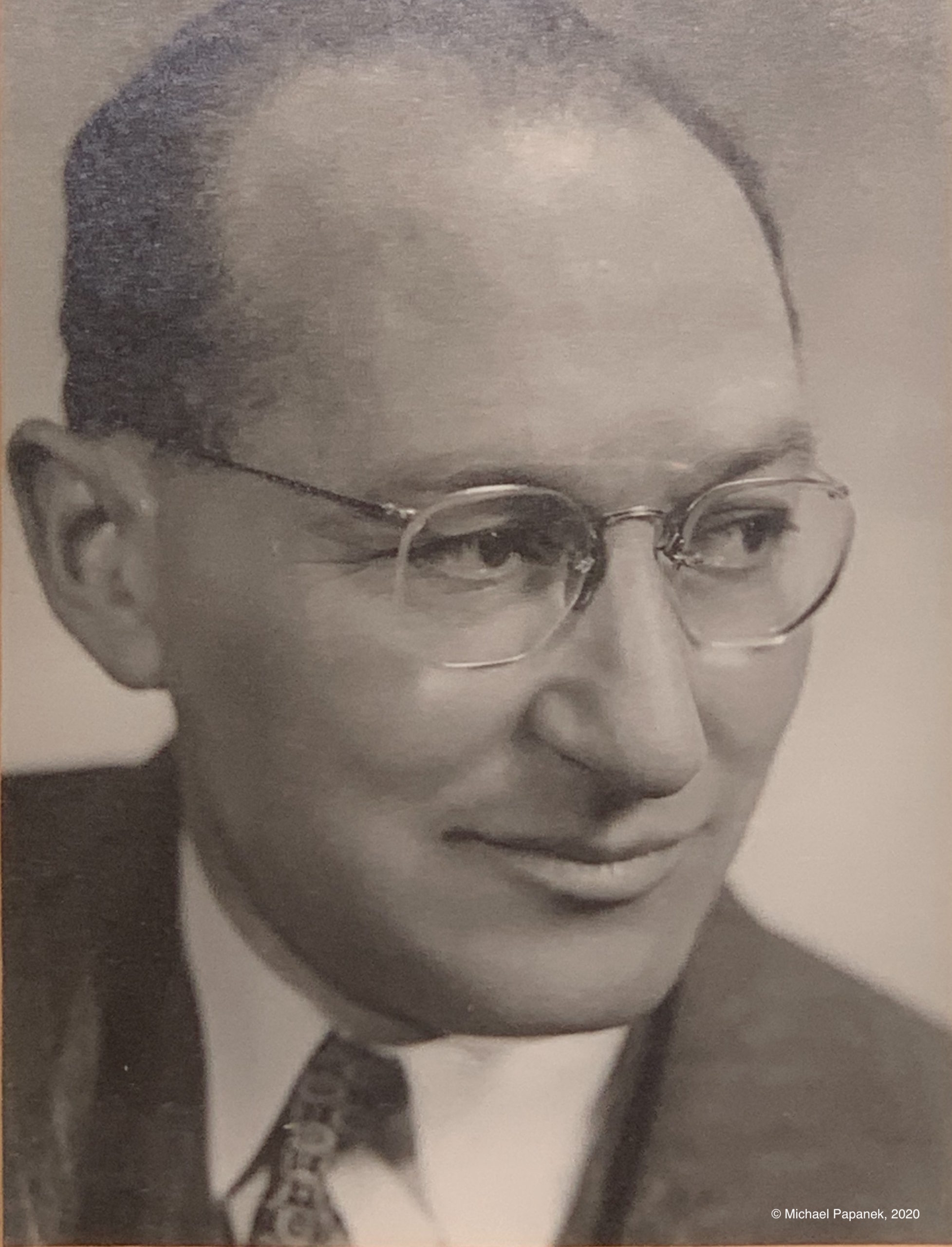
Although my grandfather, Kurt Lewin, died before I was born, his life and work have had a lasting influence on my own.
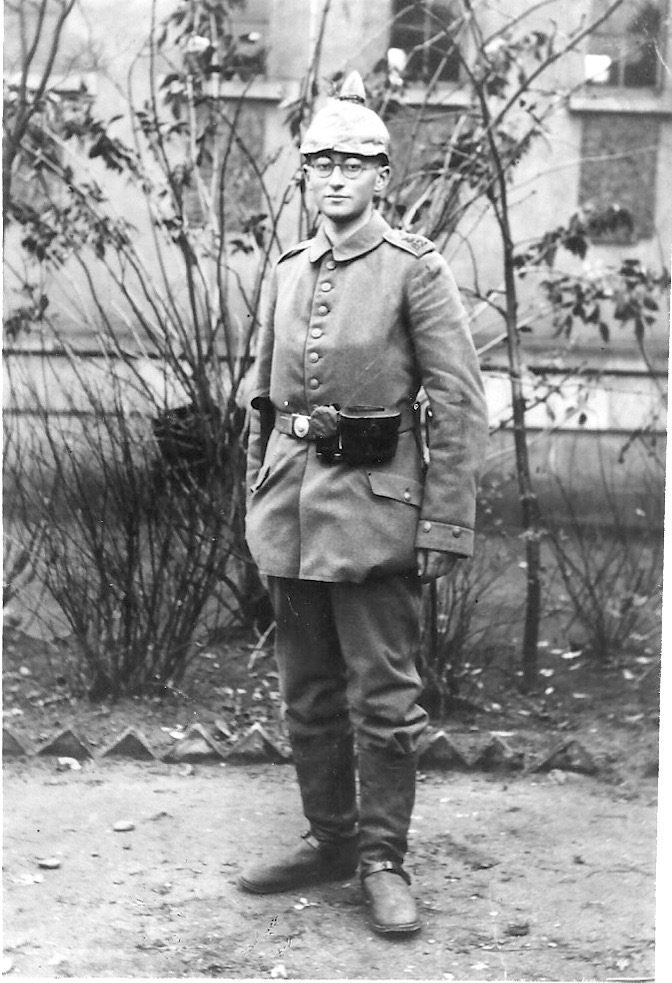
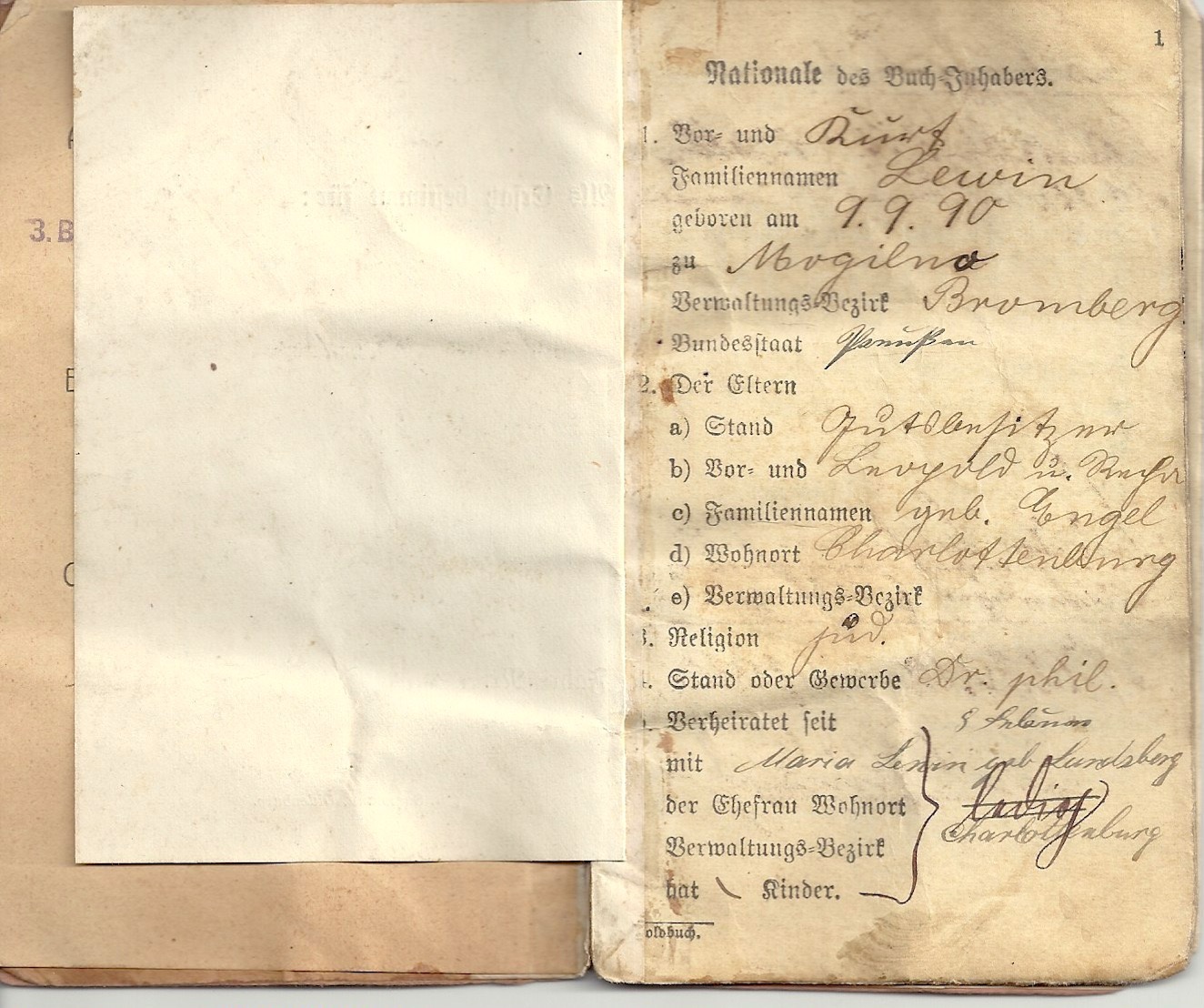
Lewin was born into a Jewish family in Prussia. He served in the German army during World War I and was awarded the Iron Cross. Later, as Hitler came to power, he and many other Jewish scholars were forced to leave Germany. In 1933, he emigrated to the United States with his daughter, Miriam Lewin, my mother.
I grew up hearing about our family’s experience of the Holocaust, and about my grandfather’s work as a psychologist, social scientist, and pioneer in the study of human behavior, leadership, group dynamics, and change. His ideas included Field Theory, his work to reduce racial and religious prejudice, his pioneering research on leadership styles (which he called “Autocratic, Democratic and Laissez-faire”), and his enduring insight that behavior is shaped by both the person and the environment around them.
That idea has become increasingly important in my own work.
As I developed my career as an organizational development consultant, leadership coach, and team advisor, I found myself returning to a very practical Lewinian question:
What conditions make better behavior, stronger relationships, and more effective change more likely?
That question is at the heart of my work with leaders and teams.
In organizations, performance problems are rarely just individual problems. They are shaped by the field people are operating in: pressure, trust, incentives, decision rights, meeting habits, stakeholder expectations, cultural norms, and the quality of relationships across the system.
This is especially true when the work is difficult, the stakes are high, and the pressure is rising.
My work with leaders and teams carries forward that practical tradition. The Heat Curve, Stakeholder Mapping, Force Field Analysis, Plus/Delta reviews, and Action Learning all help leaders see the system more clearly, understand the forces shaping behavior, and create the conditions for better performance under pressure.
I do not claim this connection as a credential. I experience it as a responsibility.
Lewin’s work was never just about theory. It was about using behavioral science to help people, groups, and institutions change in ways that matter.
My mother became Dr. Miriam Lewin, a professor of psychology like “father” (as he was called in my house). She spoke about Kurt Lewin across the globe. I am still contacted by students and scholars interested in Lewin.
That is the lineage I try to honor in my own practice of organizational development, leadership, teamwork and change.
The best way we can honor those who have come before us is to continue their work.
I like to think he would be proud.
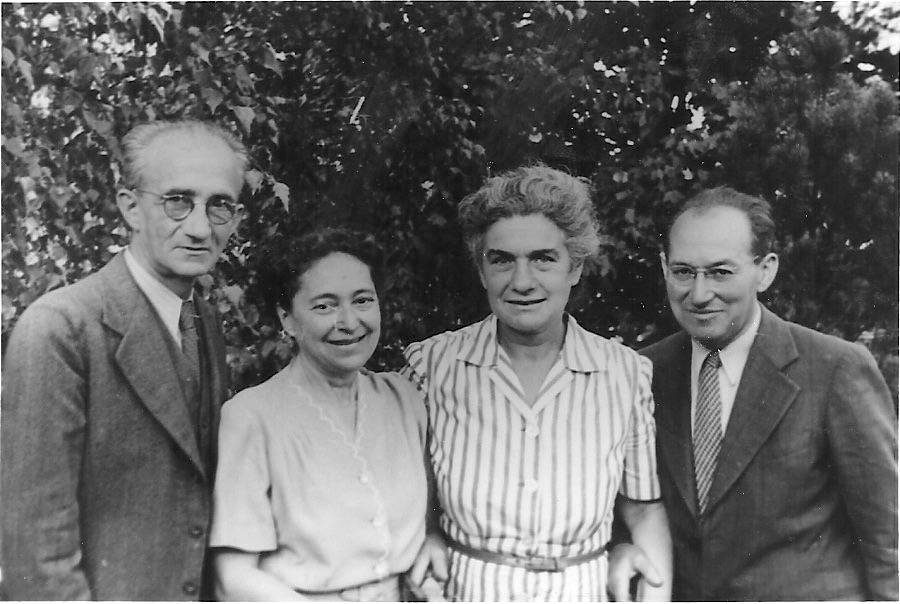
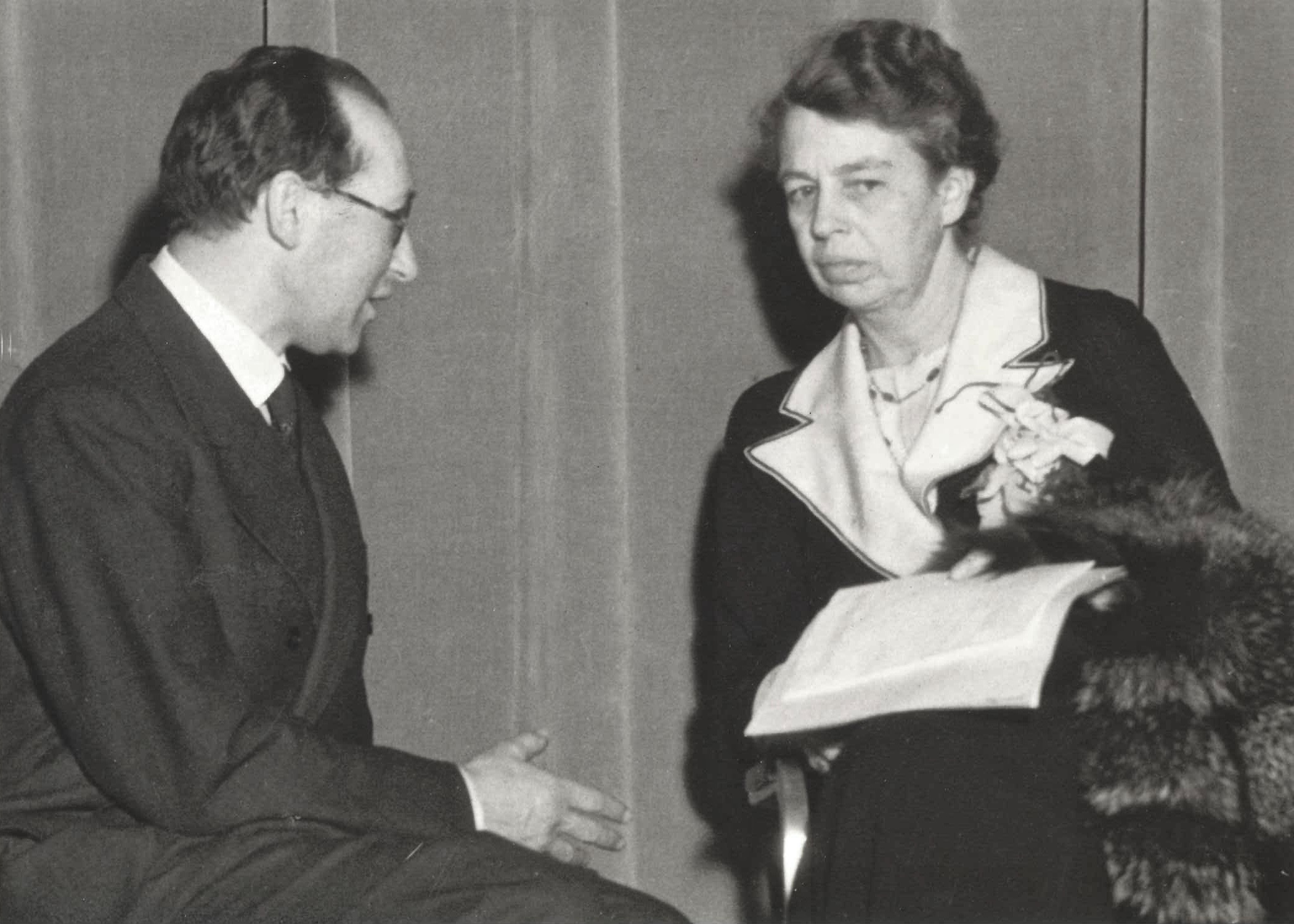
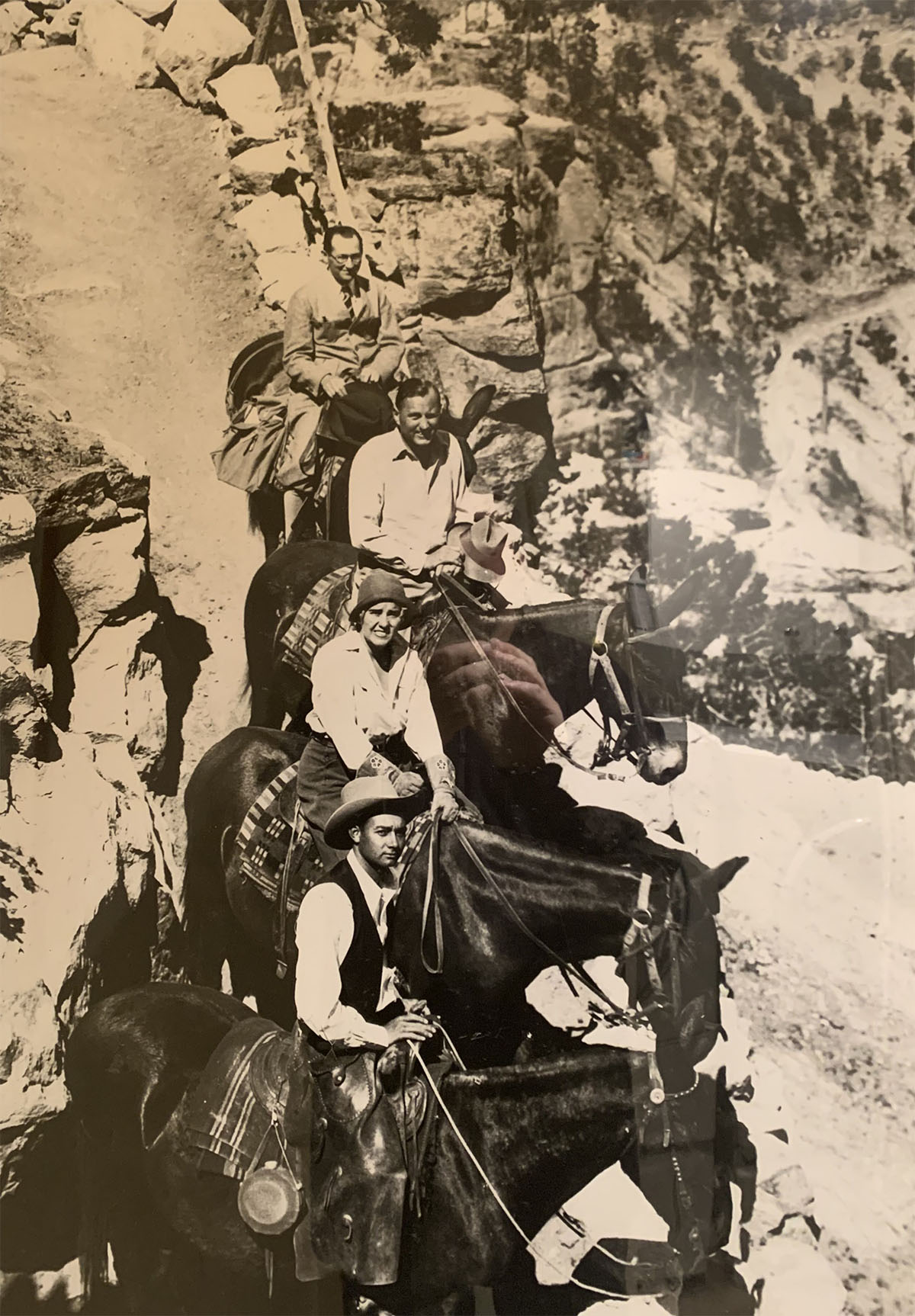
I’ve gathered more family pictures of him that you can see here. My video presentation about his life, including rare video and photos and special family heirlooms is here.
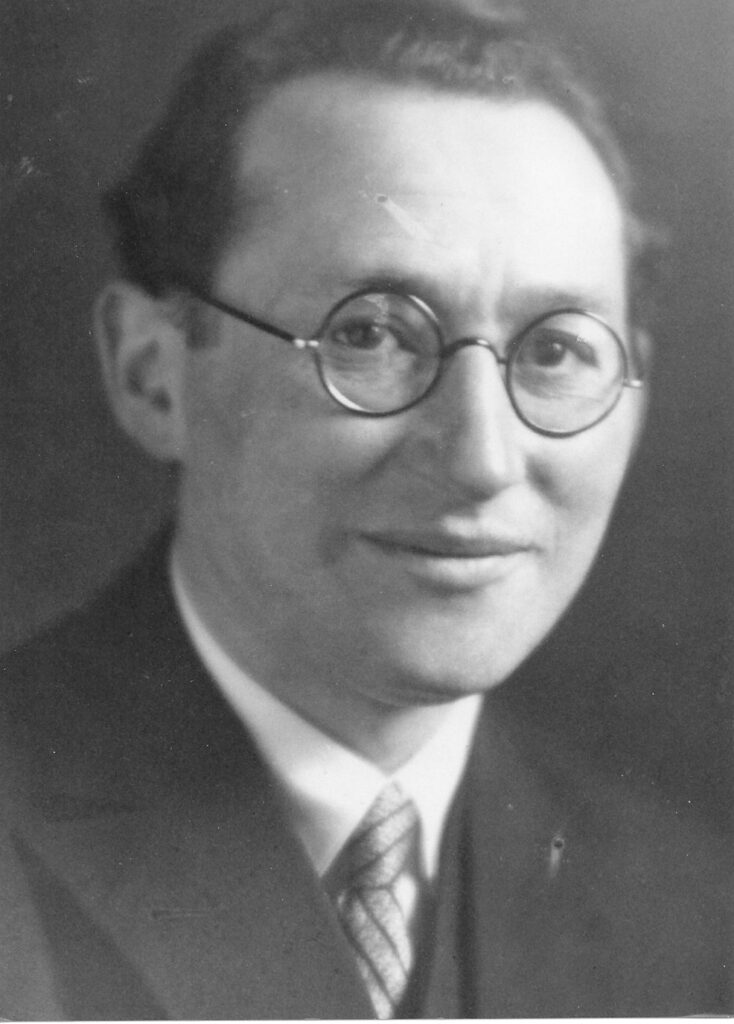
My grandfather, Kurt Lewin, made a lasting impact on the fields of organizational development, applied psychology, and social science that still resonate with the issues we are facing today.
These videos are Parts One and Two of my recent presentation to an OD Network meeting about Lewin’s life: what personal experiences drove him to study and learn what he did, and how we can still use his ideas to solve the most pressing social challenges of our time – including crisis leadership, change management and Diversity, Equity and Inclusion?
I share some very personal heirlooms and rare family movies about the formation and application of Lewin’s biggest theories and ideas, such as Field Theory, Leadership Styles and Force Field Analysis, and we discuss the use of his methods in 21st century organizational development, leadership coaching and change management.
I am always eager to discuss my grandfather’s work and I am honored to support those learning about him any way I can. Please reach out if I can support your understanding and application of Lewin’s work.